WELCOME TO
WANT 2 CATCH MORE TROUT
WANT 2 CATCH MORE TROUT
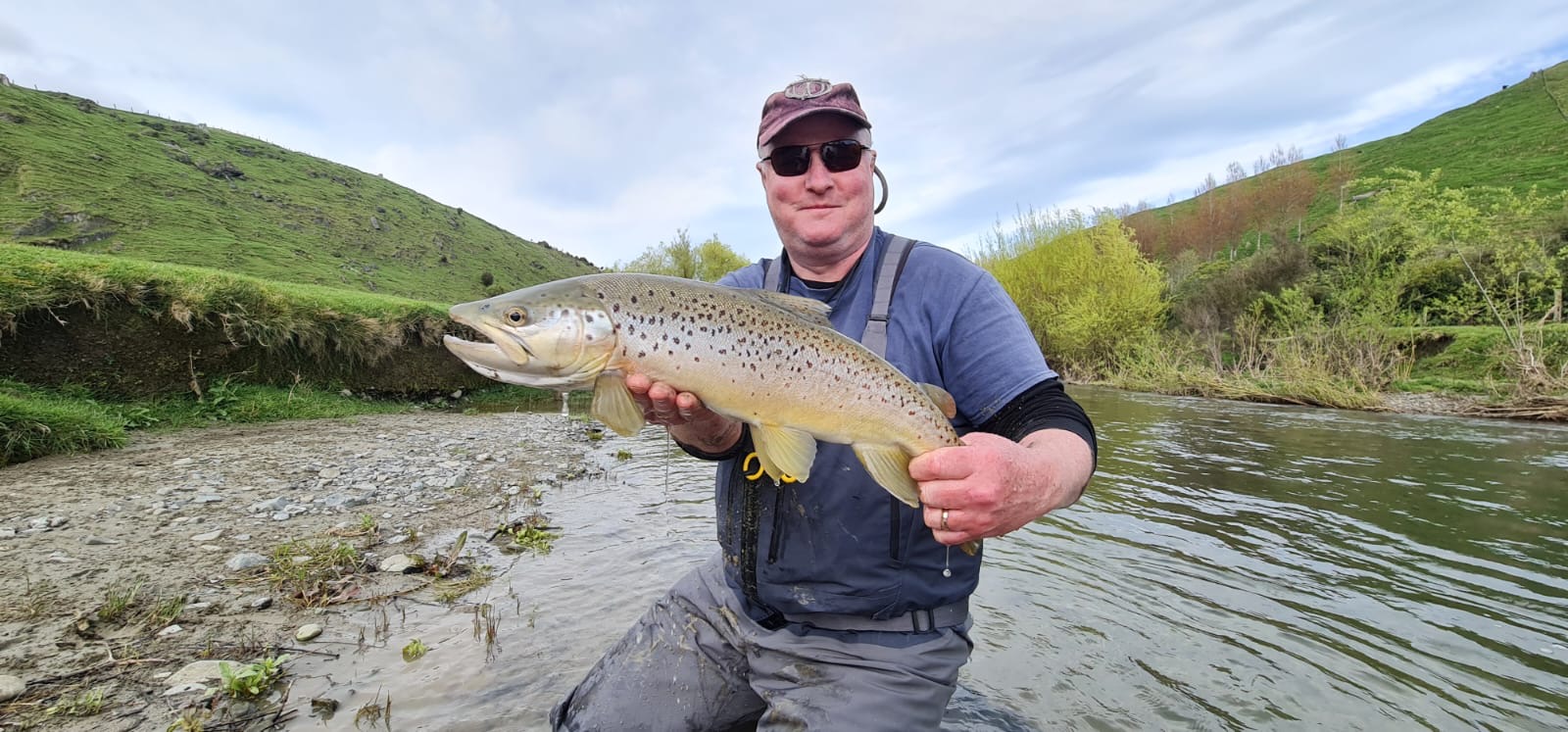
I began fly fishing at the age of nine, under the guidance of Bruce McCaan in Lower Hutt. He taught me how to handle a fly rod on his back lawn. Bruce also introduced me to the art of playing bagpipes and guided me with my first taste of fine Scottish whisky at thirteen.
To earn my chance to fish on the river, I had to land a fly line on a white handkerchief placed on the lawn. At that age, it felt like a lifetime before I refined my cast to the level Bruce deemed acceptable, allowing me to progress to the river.
For Bruce, fly fishing held significant importance. Bruce spent considerable time helping me develop the wide skill set which is associated with fly fishing, including the essential values of respecting both the river, its trout, and other fisherpersons. He emphasised that fly fishing could offer relaxation, clarity of thought, and life balance, a lesson that appears more vital and important today than ever before.
Bruce taught me to read the river, spotting clues that many anglers tend to overlook. He drew my attention to the simple considerations, such as insect life, water flow, current lines, and subtle nuances of the water’s surface. This focus on observation has been crucial, guiding me away from the obvious and often less productive spots in the river.
A pivotal element in my development as a fly fisher has been understanding the insect life that drives the trout ecosystem. Whilst I initially focused on nymphing, I have come to enjoy the thrill of catching rising trout with dry flies in recent years, however, that’s a tale for another occasion.
Due to Bruce’s influence, I learned to tie my own flies, a skill I have honed over the years. Over the last three decades, I have created a trout fly patterns that resembles various aquatic insects inhabiting the riverbed. These flies, known as “nymphs,” are most effective near the bottom of the river.
Stu Bagley, New Zealand
My friends and fellow anglers refer to one of my nymph patterns as the “Fish Killer.” It may appear simple, but it has been crafted with careful thought and keen observation to mimic aquatic life and provoke a trout’s interest. The name “Fish Killer” is apt, as it consistently catches fish. When used correctly in the right waters, this pattern can significantly enhance your success rate, turning disappointing days into memorable ones filled with abundant catches.
Numerous days of noticeably superior catch rates support this claim. After years of encouragement from influential figures in my life, I have decided to commercialise this fly, hoping to help other New Zealand fly fishers experience the same success as I have, alongside my close mates.
My goal is to enrich your fly-fishing experience and provide a fly that adds as much value and joy to your life as it has to mine.
Reflect on your last visit to a fly-fishing shop. Did you ask the store attendant where the fish are and what flies they favour? You likely left with an assortment of flies that promised success. But did they deliver? Or do you now possess numerous fly boxes filled with ineffective patterns?
I believe that many flies on the market attract more anglers than they do trout, spending most of their lives nestled in boxes rather than in the mouths of fish.
Follow – Want2CatchMoreTrout.co.nz to elevate your success. Replace the flies in your tackle box with the “Fish Killer.”
I hope you enjoy this fly along with the others in my collection.
Tight Lines
Stuart Bagley